

SaaS Marketplace
Multi-Vendor SaaS Marketplace Platform
Next.js 14 + Stripe Connect marketplace with custom subscription lifecycle and automated dunning. Zero to $4.2M GMV in six months across 200+ vendors.

MVPs that don’t die in staging. Legacy codebases
we refactor in place without freezing your roadmap.
Next.js 15 with React 19 + Server Actions on top,
Node, Bun or Python underneath, Postgres on Neon
or Turso, OpenTelemetry traces from day one.
Boring where it matters, sharp where you’ll notice.
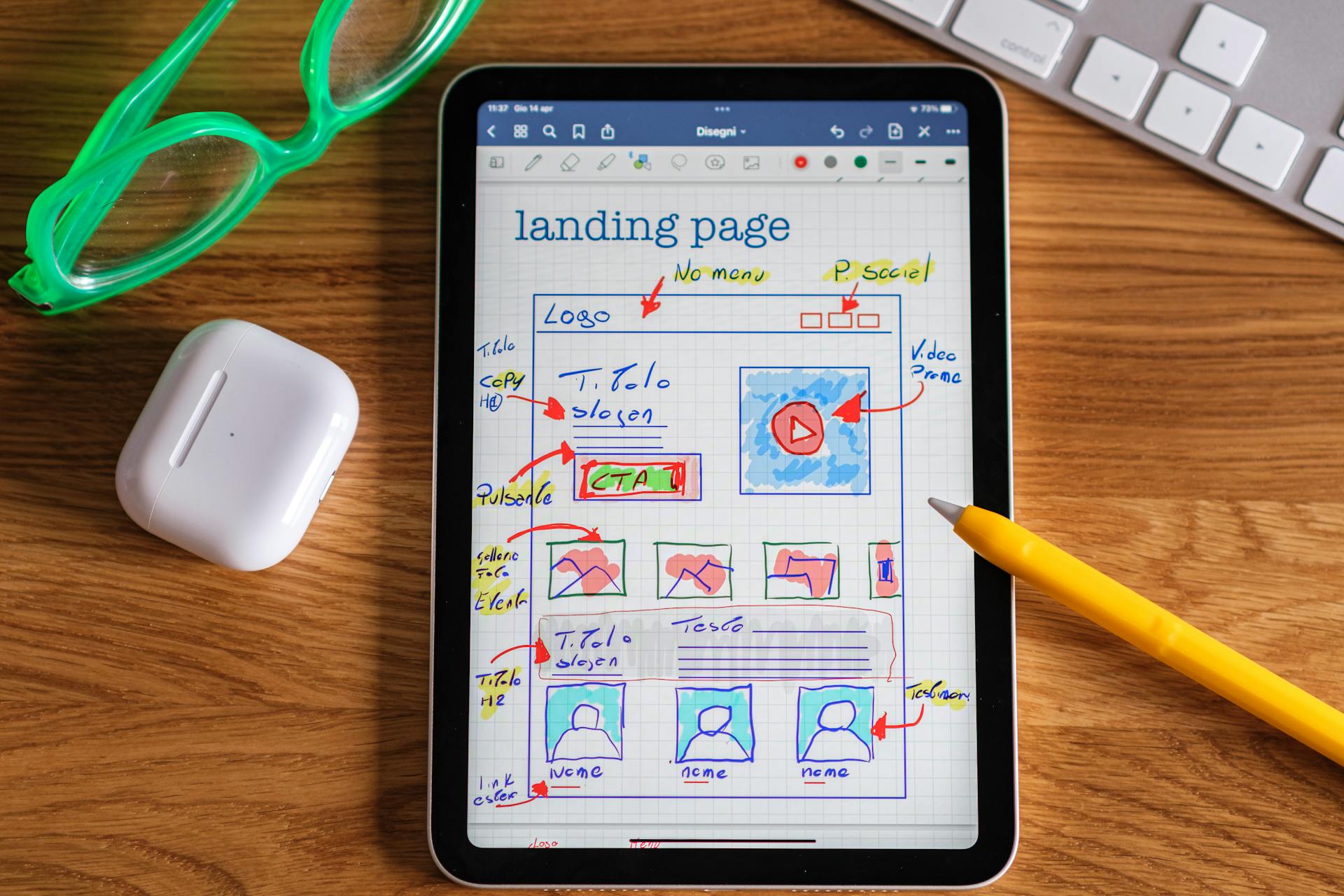
Interfaces people can use one-handed on a tired Tuesday. APIs typed end-to-end (tRPC, Hono, GraphQL Yoga) so a rename in the backend breaks the build, not a live page. Infrastructure that autoscales on traffic, not on somebody forgetting to shut off a staging box.
We write semantic HTML, typed TypeScript, Drizzle or Prisma queries with EXPLAIN plans attached, and tests that cover the scenarios your support team actually emails about. Stack: Next.js 15 (App Router, Server Actions, Partial Prerendering) and React 19 on the front; Node, Bun or Python on the back; Postgres on Neon, Supabase or Turso plus Redis or Upstash in the middle. Cloud on whichever provider you’re already on (Vercel Fluid Compute, AWS, GCP, Cloudflare, Fly) — we don’t force migrations.
Discovery with teeth — User journeys, edge cases, acceptance criteria. If it’s not written down, it’s not in scope.
Architecture before code — One week of diagrams and honest trade-offs against your hiring plan and cloud budget. Pulumi or Terraform IaC scaffolded with the repo, SST as an alternative for serverless-first stacks.
Quality on commit — Tests (Vitest, Playwright), lint, type checks and a11y scans on every PR. OpenTelemetry traces and Sentry / Datadog / Honeycomb hooked in before launch, not the morning after.
Boring deploys — Automated CI/CD on GitHub Actions, canary releases, one-click rollback. If a deploy is tense, we've done something wrong.

Journeys, integrations, the unsexy non-functional requirements. Week one ends with a doc you could hand to anyone on your team.
Smallest shippable piece first, on staging, in front of real users. Every Friday. OpenTelemetry traces and Vitest / Playwright suites in from sprint one. No two-month silence followed by a big reveal.
Profile hot paths with the Performance API and Sentry, fix the top five, tighten access controls, rehearse the incident response. The calm before go-live is deliberate.
Docs your engineers can actually read, a runbook, a rollback plan, and someone from our team on-call for the first two weeks after launch.
Got something to build that needs to last more than a quarter? Send us the brief
A few case studies where this work shows up.
Five builds, five different shapes — same team shipped all of them.




If your question isn’t here, email us. We read everything that comes in.
Modern TypeScript: Next.js 15 and React 19 on the front, Node, Bun or Python on the back, Postgres on Neon / Supabase / Turso for data, Redis or Upstash for cache, Vercel Fluid Compute, Cloudflare Workers, AWS or GCP for hosting. We've done plenty of other stacks; these are the ones we move fastest on.
What we typically ship:Yes, and it’s usually the most interesting work we do. We start with an architecture and test-coverage audit, then refactor in small, reversible steps while keeping the release train running.
What we typically ship:Rendering strategy matters more than micro-optimisations. We pick Server Components, Partial Prerendering, ISR or edge per route, cache where it helps, ship structured data, and measure on real devices via WebPageTest and Real User Monitoring — so pages are actually fast, not just fast in Lighthouse.
What we typically ship:On-call rotation, an SLA you can point to, and release windows agreed with your team. When something goes wrong, you get one owner and a written postmortem — not a thread of finger-pointing.
What we typically ship:Yes — we expect to. Figma handoffs, design tokens, motion specs, accessibility reviews; your designers stay in the loop, and we QA every screen with them before launch so nothing ships that you haven't looked at.
What we typically ship:Milestone-based statements of work tied to concrete deliverables. You know what each payment buys, and you can stop whenever you want. We don’t do quarter-long retainers you can’t exit.
What we typically ship:Hi, I'm the ImmovableTech assistant. Ask me about our services, past projects, or how to get in touch.