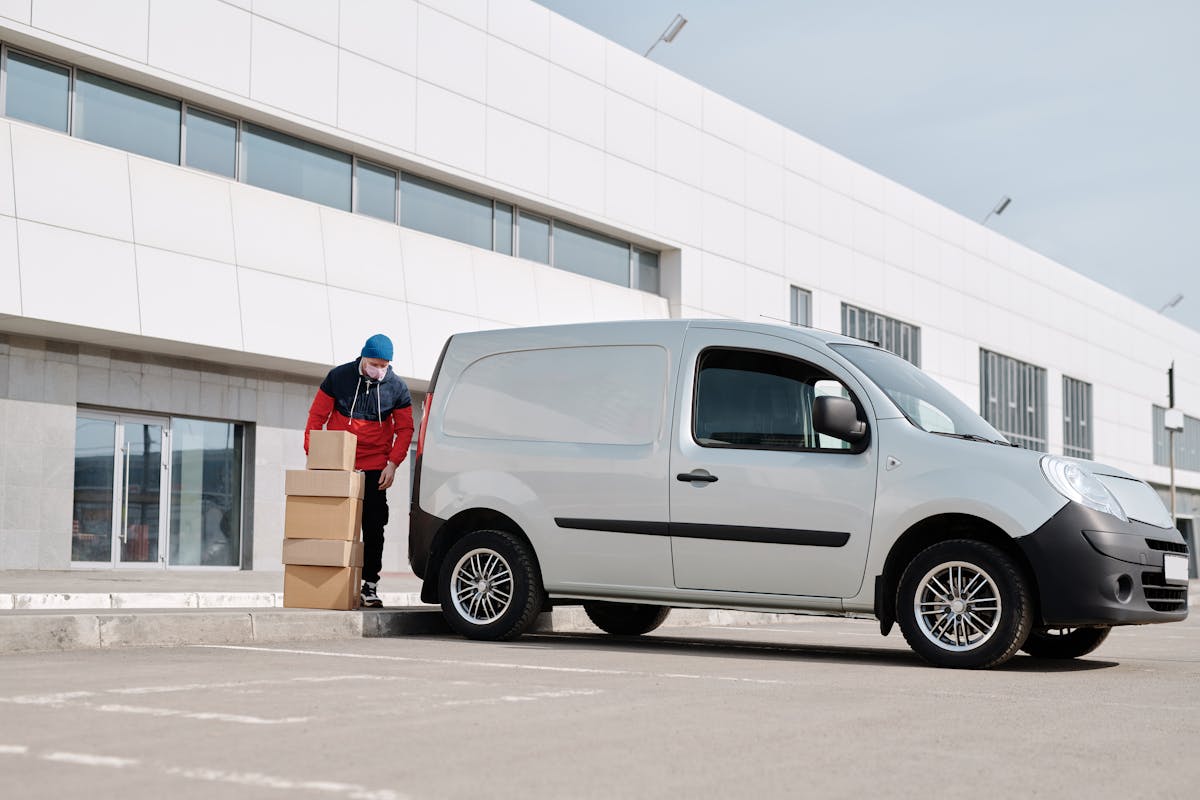
Tap to Pay.
No NFC Required.

BLE wasn’t built for payments. Tiny MTU, jittery latency,
no real encryption for card data. We wrote a custom GATT
profile with ECDH and AES-256-GCM on top of it.
850+ terminals across 3 countries now run on it at
99.8% success and under 2 seconds a tap.

BLE contactless payment SDK & platform
We shipped BLE payment SDKs for iOS, Android and Windows that let any Bluetooth-capable terminal take a tap. 850+ terminals across 3 countries, 99.8% transaction success, sub-2-second taps, an EMV Contactless kernel, PCI PTS-certified hardware partners, PCI P2PE end-to-end encryption, and a clean PCI DSS Level 1 audit on the back end.
A custom GATT profile fragments and reassembles payment payloads, an EMV Contactless kernel handles the card data, ECDH plus AES-256-GCM handles the BLE-layer crypto on top of PCI P2PE, HSM-backed tokenisation removes raw PAN from the device, and Stripe Connect runs settlement across currencies. Merchants keep the hardware they already have — a real alternative to Apple Tap to Pay on iPhone or Android Tap to Pay (NFC) when the existing terminal fleet can’t be swapped overnight.
SDK Engineering Approach
-
Custom GATT profile — We designed a payment-grade profile with fragmented PDU transfer, sequence numbering and retry logic to survive BLE’s tiny MTU and flaky latency.
-
Certified, not invented — ECDH for key exchange and AES-256-GCM for payload encryption over BLE on top of an EMV Contactless kernel and PCI PTS-certified hardware. PCI P2PE handles end-to-end encryption from terminal to gateway, PCI DSS Level 1 handles the back end. Standard Bluetooth pairing isn’t enough for card data — the auditor agreed.
-
One API, three platforms — Native SDKs in Swift, Kotlin and C# with identical surface and a shared test suite, so integrators write their payment logic once and run it on iOS, Android and Windows.
-
Audit-ready from day one — HSM-backed tokenisation, PCI P2PE end-to-end encryption, and full transaction logging. PCI PTS, PCI P2PE and PCI DSS Level 1 weren’t retrofits — we built for all three from week one.
What was actually hard
BLE can’t move a payment payload in one shot and its encryption isn’t good enough for card data. We had to fragment, encrypt, reassemble and still finish a tap in under two seconds so it feels as quick as NFC. Every 50 ms we shaved off came from protocol work, not UI.
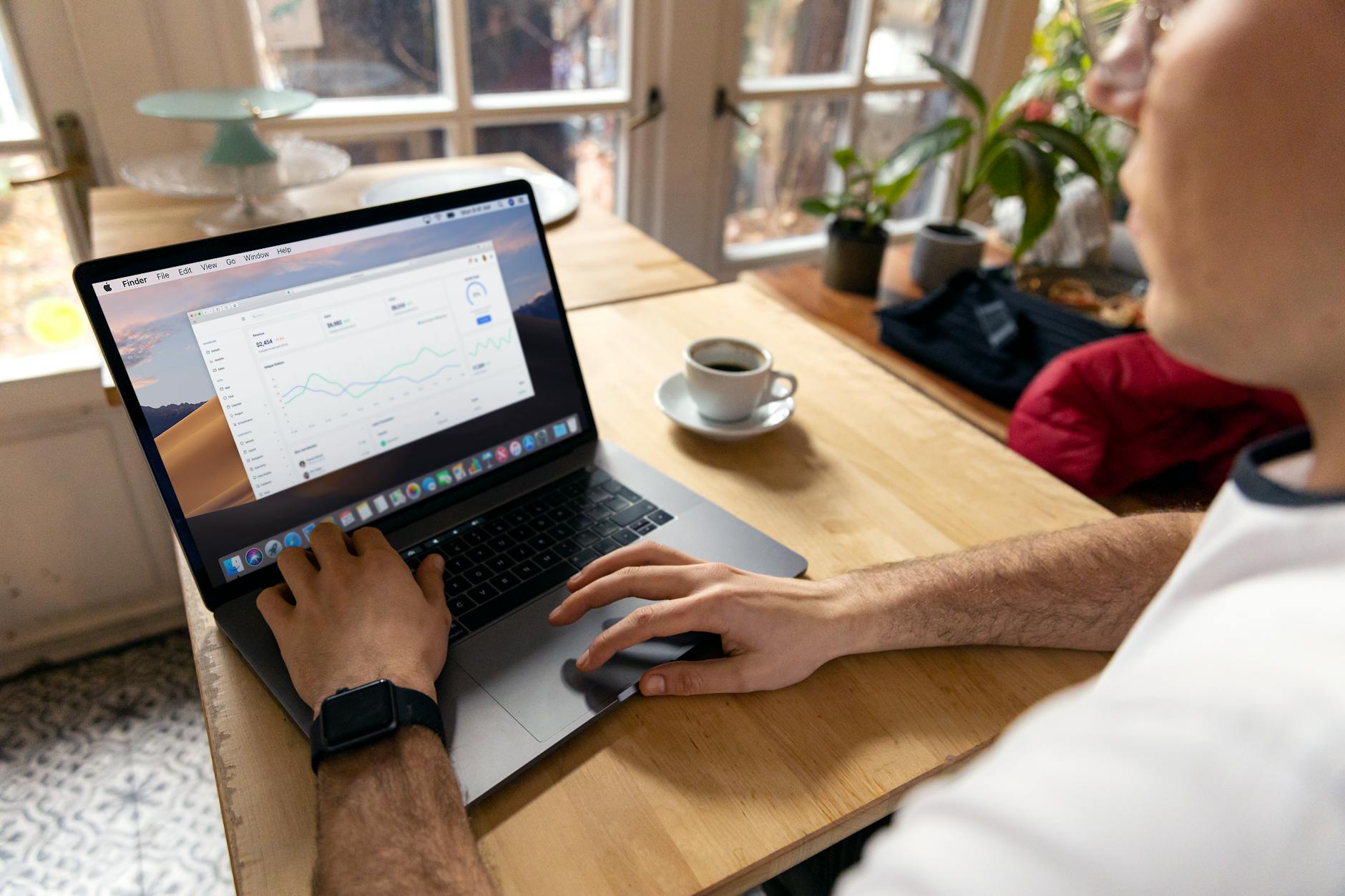
Project Outcome
Merchants rolled out tap-to-pay across 850+ terminals in 3 countries without buying new NFC hardware. Success rate landed at 99.8%, which matches NFC, and customers don’t notice a difference at the counter — taps still finish in under two seconds.
time > 99.8% success
rate > PCI L1 DSS
certified > 850+ terminals in
3 countries

“We expanded to 3 countries in 6 months using the BLE SDK. Merchants love it because they don't need new NFC hardware — any Bluetooth terminal works.”
@ Thomas G.
VP Payments — International Payment Processor
More Case Studies