AI Restaurant
Intelligence.

The ops team was staring at six dashboards
and still guessing how much chicken to prep.
Three MCP servers + an LLM agent later, eight weeks later,
Chronos + LightGBM cut their MAPE by 56% and $2.1M
of food waste a year with it.
MCP-powered restaurant business intelligence platform
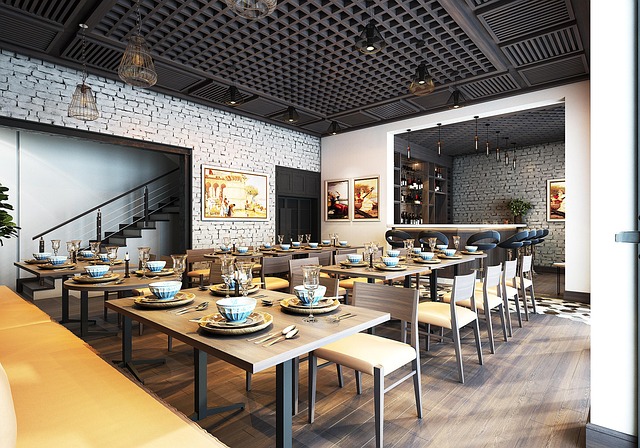
An LLM agent (OpenAI Agents SDK) drives three MCP servers — one for demand, one for forecasting (Chronos + TimesFM as the foundation-model baseline, LightGBM where it still wins), one for DAIL-SQL-style NL-to-SQL — replacing a legacy chatbot and a stack of spreadsheets. MAPE fell 56% and the chain saved $2.1M a year in food waste.
The system runs 50K+ forecasts a day, answers 94% of ad-hoc questions in plain English against 847 query patterns (validated on an internal Spider 2.0-style benchmark), and pulls in event and menu signals so the suggestion on Thursday night isn’t the same as the one on a regular Tuesday. Every agent step is traced in Langfuse and regression-tested with Ragas + Promptfoo on every prompt change.
AI Delivery Approach
-
Audit the data first — POS, inventory, events, menu and weather all landed in one warehouse with contracts between the layers. Half the battle.
-
MCP servers, single agent — Three MCP servers expose NL-to-SQL, demand forecasting and event-aware recommendations as tools. A single OpenAI Agents SDK orchestrator decides which to call. The protocol is MCP; the agent is the LLM — we keep that line clean.
-
Evaluate against real plans — Every model output compared to the week the GM actually ran. Chronos / TimesFM as the foundation-model baseline that the bespoke LightGBM has to beat. If the suggestion would have lost money, it failed the test.
-
Quiet rollout — Shipped to one restaurant, then six, then the network. Feedback from managers flows straight back into the agents’ tool definitions.
What was actually hard
Restaurant data is cursed. POS mis-fires on Friday night, loyalty joins with a different customer ID, menu items change mid-week. The hard part wasn’t the forecasting model — it was getting the agents to notice when the upstream data was lying, and to say “I don’t know” instead of inventing a number.
Project Outcome
Once the agents were live, forecasting accuracy jumped 56% and the network’s annual food waste bill dropped by $2.1M. Managers now ask their questions in English and get numbers they trust within seconds — not a deck, not a ticket, not a two-day turnaround.
reduction > $2.1M annual food waste
savings > 94% NL-to-SQL
accuracy > 50K+ daily
forecasts


“The team replaced our legacy chatbot with an MCP agent that our operations staff genuinely love using. Forecast accuracy went through the roof.”
@ Priya K.
Founder — Restaurant Analytics Startup
More Case Studies